Preserving Paper, One Page at a Time
Practical techniques for hand bookbinding, paper deacidification, and document restoration — written for Canadian conservators, collectors, and craft enthusiasts.

Topics
Core Techniques
The guides below cover the three foundational areas of hand papercraft: constructing bindings from scratch, neutralising acid degradation in aged paper, and stabilising documents that have already sustained damage.
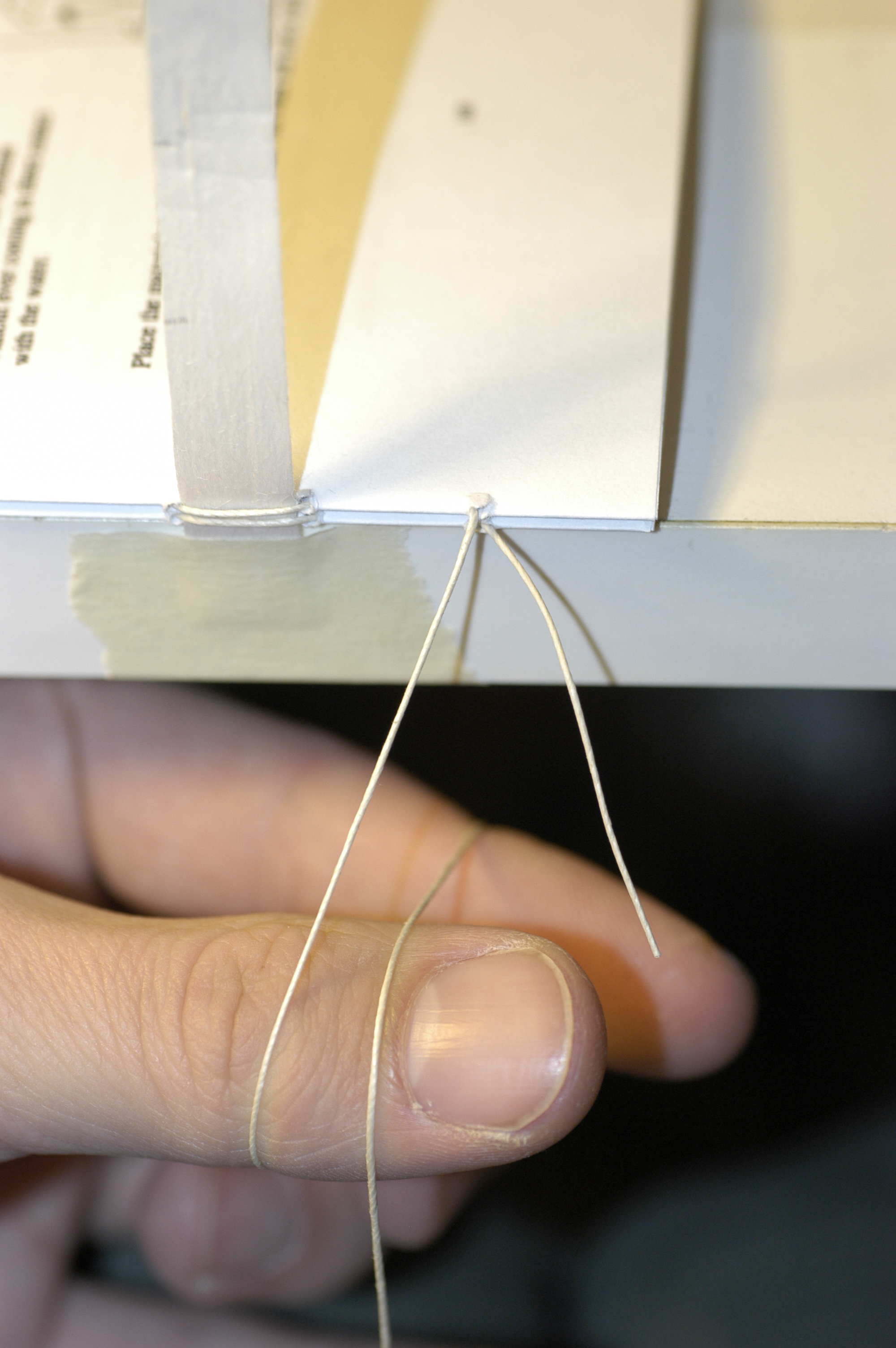
How to Bind a Book by Hand
A step-by-step guide to Coptic, long, and Japanese stab-stitch bindings using materials available across Canada.

Paper Deacidification Methods
How to identify acid degradation in paper and neutralise it using aqueous and non-aqueous techniques at home or in the studio.

Restoring Damaged Documents
Approaches to humidification, flattening, tear repair, and housing for fragile or water-damaged paper materials.
Context
Why Paper Preservation Matters in Canada
Canada's climate — wide temperature swings and seasonal humidity fluctuations — accelerates the deterioration of paper-based materials. Library and Archives Canada notes that controlling relative humidity between 30% and 50% is among the most effective single interventions for extending the life of paper collections.
Whether the material is a family photograph album, a mid-century atlas, or a hand-bound artist's book, the underlying chemistry of paper degradation follows the same principles. These guides translate conservation-grade knowledge into steps that can be carried out without a laboratory.

Reference
Authoritative Sources
The techniques described across this site draw on published guidance from the following institutions.
Library and Archives Canada
Publishes preservation standards for documentary heritage in Canada, covering temperature, humidity, and disaster recovery.
lac-bac.gc.caCanadian Conservation Institute
Part of the Department of Canadian Heritage, the CCI produces technical bulletins on the care of paper, photographs, and bound materials.
canada.ca/cciISO 9706 — Permanence of Paper
The international standard for permanent paper sets requirements for alkaline reserve, tear resistance, and pH that underpin deacidification practice.
iso.orgContact
Questions or Corrections
If you have a question about a technique or notice an error in any article, use the form below.